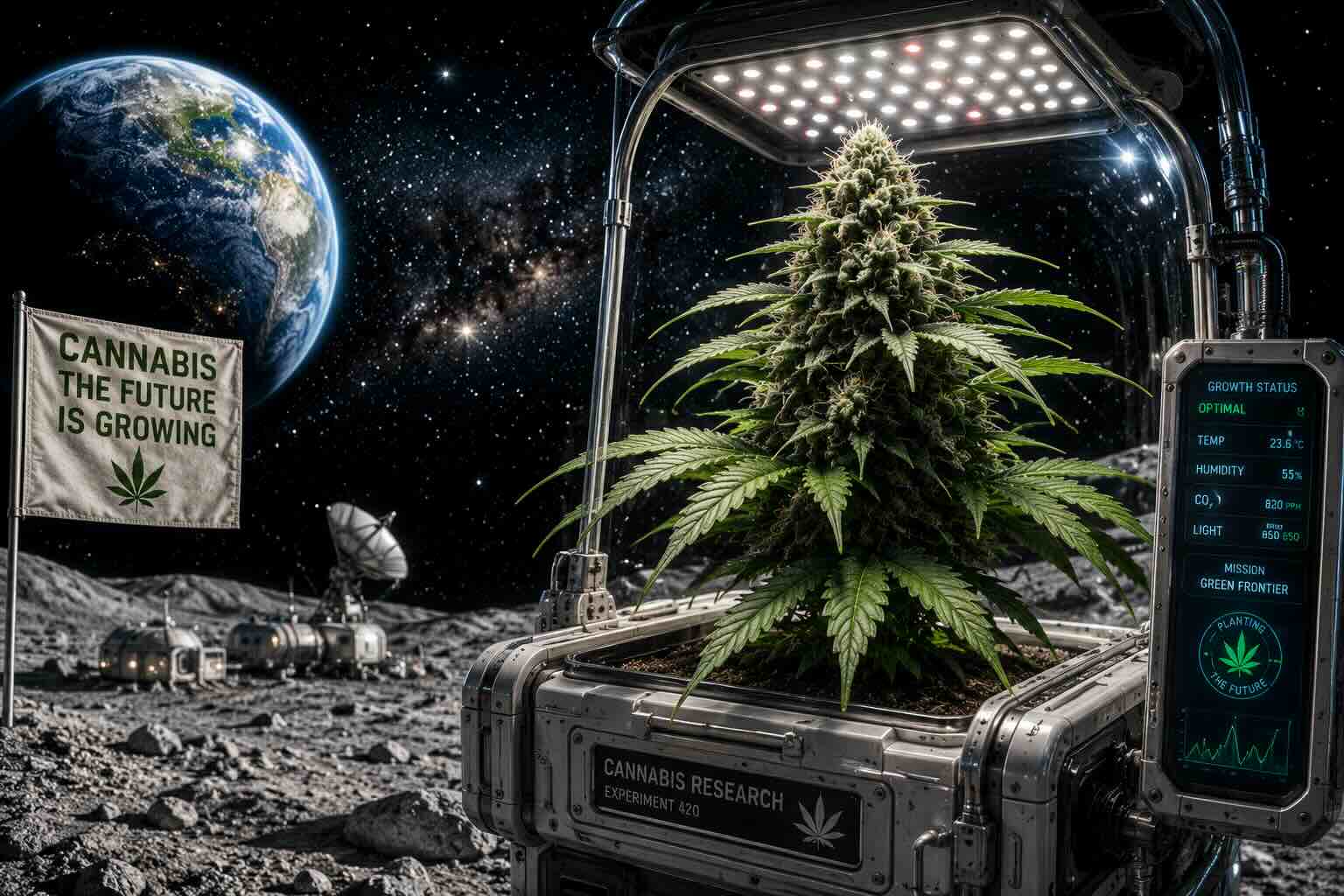
The Future of Modern Cannabis Cultivation
Cannabis cultivation evolved dramatically during the last decades as growers gained access to better genetics, advanced lighting systems, environmental controls, and improved cultivation knowledge. Modern cannabis growing combines horticulture, environmental management, plant breeding, and practical observation into a highly specialized cultivation practice.
Indoor growing became increasingly popular because it allows growers to control lighting, temperature, airflow, humidity, and nutrient schedules more precisely. Modern LED technology improved indoor cultivation further by increasing energy efficiency while reducing excess heat inside grow spaces.
Outdoor cannabis cultivation remains extremely important as well because natural sunlight can support large plant development and strong environmental resilience. Outdoor growers often focus heavily on climate adaptation, seasonal timing, pest prevention, and environmental stability throughout the growing cycle.
Genetics strongly influence cultivation results. Stable genetics improve consistency, flowering behavior, environmental adaptability, terpene expression, and final harvest quality. Modern growers increasingly select strains based on climate suitability, flowering speed, structure, and cultivation goals.
Nutrient management became another major aspect of cannabis cultivation. Growers learned that balanced feeding schedules, healthy root systems, stable pH, and environmental consistency all contribute heavily to successful plant development.
Training techniques such as low stress training, topping, canopy management, and branch support systems helped growers maximize light penetration and improve productivity. These methods became central parts of modern cultivation culture.
Environmental management also became increasingly sophisticated. Airflow, humidity control, mold prevention, irrigation strategies, and climate stability all influence plant health during different stages of growth and flowering.
How Indoor Growing Changed Cannabis Cultivation
Modern cannabis cultivation now combines traditional horticultural knowledge with advanced technology, sustainable growing practices, and increasingly refined genetics. As cultivation methods continue evolving, growers constantly experiment with new systems designed to improve efficiency, stability, and final harvest quality.
Cannabis cultivation evolved dramatically during the last decades as growers gained access to better genetics, advanced lighting systems, environmental controls, and improved cultivation knowledge. Modern cannabis growing combines horticulture, environmental management, plant breeding, and practical observation into a highly specialized cultivation practice.
Indoor growing became increasingly popular because it allows growers to control lighting, temperature, airflow, humidity, and nutrient schedules more precisely. Modern LED technology improved indoor cultivation further by increasing energy efficiency while reducing excess heat inside grow spaces.
Outdoor cannabis cultivation remains extremely important as well because natural sunlight can support large plant development and strong environmental resilience. Outdoor growers often focus heavily on climate adaptation, seasonal timing, pest prevention, and environmental stability throughout the growing cycle.
Genetics strongly influence cultivation results. Stable genetics improve consistency, flowering behavior, environmental adaptability, terpene expression, and final harvest quality. Modern growers increasingly select strains based on climate suitability, flowering speed, structure, and cultivation goals.
Nutrient management became another major aspect of cannabis cultivation. Growers learned that balanced feeding schedules, healthy root systems, stable pH, and environmental consistency all contribute heavily to successful plant development.
Training techniques such as low stress training, topping, canopy management, and branch support systems helped growers maximize light penetration and improve productivity. These methods became central parts of modern cultivation culture.
Why Genetics Matter More Than Ever
Environmental management also became increasingly sophisticated. Airflow, humidity control, mold prevention, irrigation strategies, and climate stability all influence plant health during different stages of growth and flowering.
Modern cannabis cultivation now combines traditional horticultural knowledge with advanced technology, sustainable growing practices, and increasingly refined genetics. As cultivation methods continue evolving, growers constantly experiment with new systems designed to improve efficiency, stability, and final harvest quality.
Cannabis cultivation evolved dramatically during the last decades as growers gained access to better genetics, advanced lighting systems, environmental controls, and improved cultivation knowledge. Modern cannabis growing combines horticulture, environmental management, plant breeding, and practical observation into a highly specialized cultivation practice.
Indoor growing became increasingly popular because it allows growers to control lighting, temperature, airflow, humidity, and nutrient schedules more precisely. Modern LED technology improved indoor cultivation further by increasing energy efficiency while reducing excess heat inside grow spaces.
Outdoor cannabis cultivation remains extremely important as well because natural sunlight can support large plant development and strong environmental resilience. Outdoor growers often focus heavily on climate adaptation, seasonal timing, pest prevention, and environmental stability throughout the growing cycle.
Genetics strongly influence cultivation results. Stable genetics improve consistency, flowering behavior, environmental adaptability, terpene expression, and final harvest quality. Modern growers increasingly select strains based on climate suitability, flowering speed, structure, and cultivation goals.
Nutrient management became another major aspect of cannabis cultivation. Growers learned that balanced feeding schedules, healthy root systems, stable pH, and environmental consistency all contribute heavily to successful plant development.
The Role of LED Lighting and Environmental Control
Training techniques such as low stress training, topping, canopy management, and branch support systems helped growers maximize light penetration and improve productivity. These methods became central parts of modern cultivation culture.
Environmental management also became increasingly sophisticated. Airflow, humidity control, mold prevention, irrigation strategies, and climate stability all influence plant health during different stages of growth and flowering.
Modern cannabis cultivation now combines traditional horticultural knowledge with advanced technology, sustainable growing practices, and increasingly refined genetics. As cultivation methods continue evolving, growers constantly experiment with new systems designed to improve efficiency, stability, and final harvest quality.
Cannabis cultivation evolved dramatically during the last decades as growers gained access to better genetics, advanced lighting systems, environmental controls, and improved cultivation knowledge. Modern cannabis growing combines horticulture, environmental management, plant breeding, and practical observation into a highly specialized cultivation practice.
Indoor growing became increasingly popular because it allows growers to control lighting, temperature, airflow, humidity, and nutrient schedules more precisely. Modern LED technology improved indoor cultivation further by increasing energy efficiency while reducing excess heat inside grow spaces.
Outdoor cannabis cultivation remains extremely important as well because natural sunlight can support large plant development and strong environmental resilience. Outdoor growers often focus heavily on climate adaptation, seasonal timing, pest prevention, and environmental stability throughout the growing cycle.
Genetics strongly influence cultivation results. Stable genetics improve consistency, flowering behavior, environmental adaptability, terpene expression, and final harvest quality. Modern growers increasingly select strains based on climate suitability, flowering speed, structure, and cultivation goals.
Nutrient Management and Plant Training
Nutrient management became another major aspect of cannabis cultivation. Growers learned that balanced feeding schedules, healthy root systems, stable pH, and environmental consistency all contribute heavily to successful plant development.
Training techniques such as low stress training, topping, canopy management, and branch support systems helped growers maximize light penetration and improve productivity. These methods became central parts of modern cultivation culture.
Environmental management also became increasingly sophisticated. Airflow, humidity control, mold prevention, irrigation strategies, and climate stability all influence plant health during different stages of growth and flowering.
Modern cannabis cultivation now combines traditional horticultural knowledge with advanced technology, sustainable growing practices, and increasingly refined genetics. As cultivation methods continue evolving, growers constantly experiment with new systems designed to improve efficiency, stability, and final harvest quality.
Cannabis cultivation evolved dramatically during the last decades as growers gained access to better genetics, advanced lighting systems, environmental controls, and improved cultivation knowledge. Modern cannabis growing combines horticulture, environmental management, plant breeding, and practical observation into a highly specialized cultivation practice.
Indoor growing became increasingly popular because it allows growers to control lighting, temperature, airflow, humidity, and nutrient schedules more precisely. Modern LED technology improved indoor cultivation further by increasing energy efficiency while reducing excess heat inside grow spaces.
Outdoor cannabis cultivation remains extremely important as well because natural sunlight can support large plant development and strong environmental resilience. Outdoor growers often focus heavily on climate adaptation, seasonal timing, pest prevention, and environmental stability throughout the growing cycle.
Outdoor Growing in a Modern Cultivation Strategy
Genetics strongly influence cultivation results. Stable genetics improve consistency, flowering behavior, environmental adaptability, terpene expression, and final harvest quality. Modern growers increasingly select strains based on climate suitability, flowering speed, structure, and cultivation goals.
Nutrient management became another major aspect of cannabis cultivation. Growers learned that balanced feeding schedules, healthy root systems, stable pH, and environmental consistency all contribute heavily to successful plant development.
Training techniques such as low stress training, topping, canopy management, and branch support systems helped growers maximize light penetration and improve productivity. These methods became central parts of modern cultivation culture.
Environmental management also became increasingly sophisticated. Airflow, humidity control, mold prevention, irrigation strategies, and climate stability all influence plant health during different stages of growth and flowering.
Modern cannabis cultivation now combines traditional horticultural knowledge with advanced technology, sustainable growing practices, and increasingly refined genetics. As cultivation methods continue evolving, growers constantly experiment with new systems designed to improve efficiency, stability, and final harvest quality.
Scientific information related to agriculture, crop science, controlled-environment cultivation, and plant research can be explored through the United Nations Office on Drugs and Drug Addiction.
The future of cannabis cultivation will likely continue evolving through improved genetics, smarter environmental systems, more sustainable practices, and increasingly precise cultivation technology. Modern growers already combine scientific knowledge with practical experience in ways that were almost impossible only a few decades ago.
As legalization expands globally and cultivation culture becomes more sophisticated, cannabis growing will likely remain one of the most technically interesting and rapidly evolving forms of modern horticulture.
In This Guide
- Indoor growing gives cultivators more control over light, temperature, airflow, humidity, and feeding schedules.
- LED lighting has improved energy efficiency and reduced heat in modern grow spaces.
- Stable genetics help improve consistency, flowering behavior, adaptability, and harvest quality.
- Training, canopy management, and balanced nutrients support healthier plants and better yields.
- Environmental control and sustainable practices are becoming central to modern cultivation methods.
Frequently Asked Questions
Why has indoor cannabis cultivation become so popular?
Indoor growing lets cultivators control lighting, temperature, airflow, humidity, and nutrient schedules more precisely.
How have LED lights changed modern cultivation?
LEDs improved energy efficiency and reduced excess heat, making indoor grow environments easier to manage.
Why are genetics important in cannabis cultivation?
Stable genetics can improve consistency, flowering behavior, environmental adaptability, terpene expression, and harvest quality.
What cultivation practices help improve plant development?
Balanced feeding, healthy root systems, canopy management, low stress training, and stable environmental conditions all support plant growth.
Is outdoor cultivation still relevant today?
Yes. Outdoor growing remains important because natural sunlight can support large plant development and strong environmental resilience.